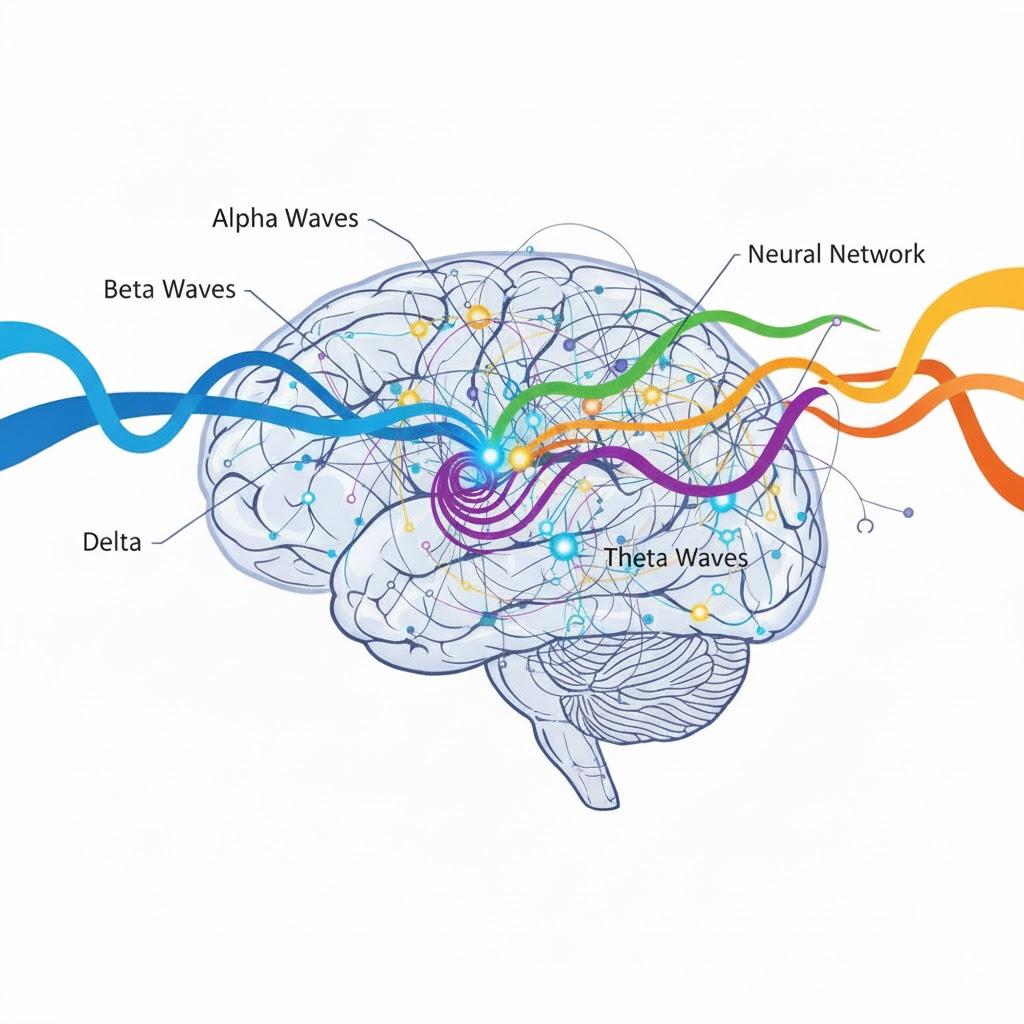
This visualization illustrates the complex patterns of neural oscillations that occur in the brain during different states of consciousness. The image demonstrates how electrical activity in the brain creates distinct wave patterns that can be measured and potentially influenced by external auditory stimuli such as binaural beats and isochronic tones.
Introduction
Sound has long been recognized as a powerful influence on the human mind and body. In recent years, the scientific and technological communities have shown growing interest in how specific auditory stimuli, such as binaural beats and Isochronic tones, can modulate brain wave activity. Both techniques aim to alter neural-oscillations in the brain to induce states of relaxation, focus, or enhanced cognition.
Scientific Background
An example of this is the case of listening to a binaural beat of 10 Hz that the brain perceives when two tones in very slightly different frequencies are played in each ear independently (e.g. 114 Hz and 124 Hz). The cortical EEG activity is then synchronized with the frequency of 10 Hz by the neural circuitry (in the superior olivary nucleus of the brainstem). Due to this entrainment effect, the oscillations in the brain which are predominant are synchronized with the beat frequency - which in this case is the alpha band (8-12 Hz).
Conversely Isochronic tones are made by repeating one tone using a high on-off pulse at a steady rate. This creates a converging signal that strikes the brain into the desired frequency range without even the need to source ear inputs.
Both of these methods engage the brain in terms of tendency to external rhythms (commonly known as the frequency-following response), and may be applied to achieve a mental state by stimulating a specific EEG band.
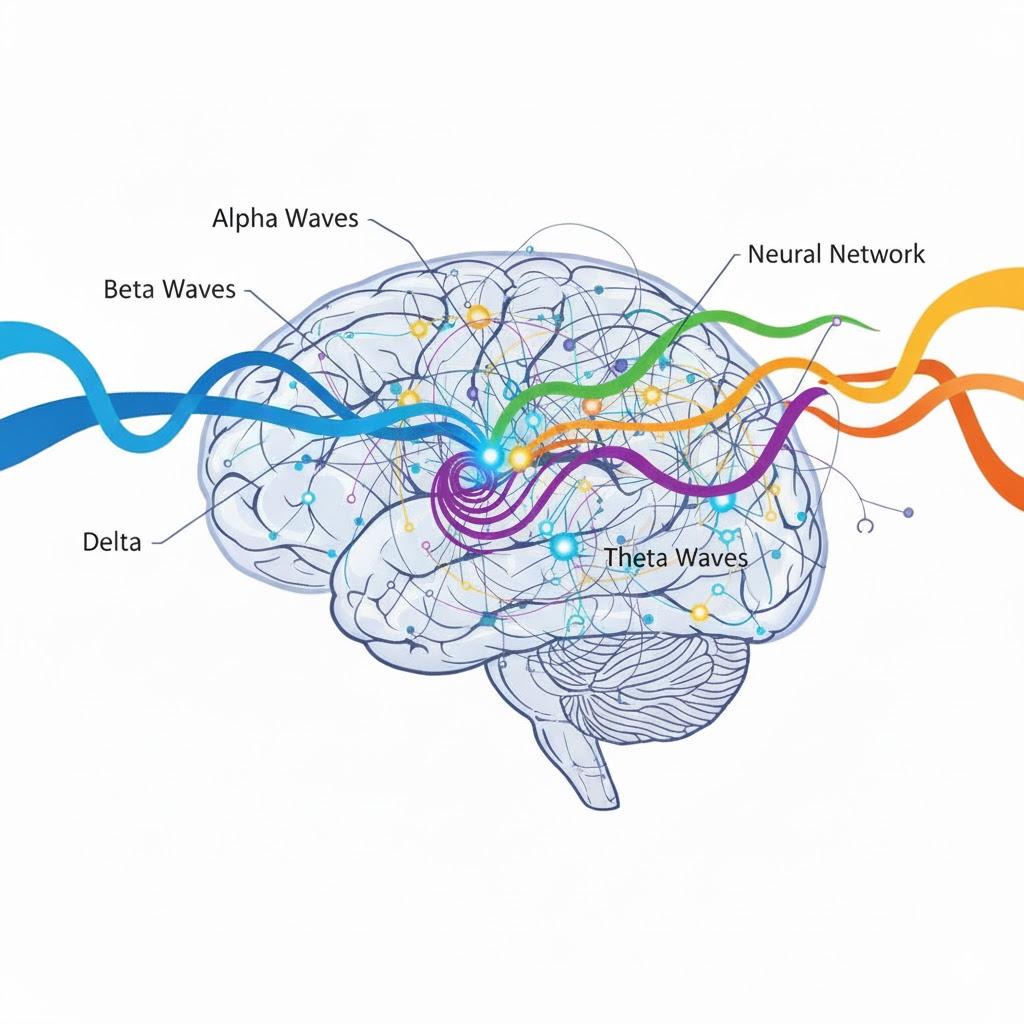
Brain wave patterns and neural activity visualization
Brainwave Frequency Bands
Brainwaves have five major frequency bands that have different cognitive correlates. As an example, alpha (8-12 Hz) waves are associated with alertness but not stress, whereas higher frequencies, such as beta (12-30 Hz) and gamma (>30 Hz) are associated with thinking and attention. The beats of music are meant to appeal to these bands. The activity in the brain is usually divided into frequency groups (delta, theta, alpha, beta, gamma), each of which is related to a particular mental state.
According to the example above, theta and delta waves (4 Hz and lower) are associated with drowsiness and deep sleep whereas alpha waves (8-12 Hz) are associated with a relaxed, reflective attention. Faster beta (13-30 Hz) and gamma (30-100 Hz) waves are linked to concentration, cognitive processing and high order awareness.
Entrainment methods tending to drive the predominant rhythm of the EEG to the band of a specific frequency by creating an audible beat in a preferred frequency. As an example, an alpha-wave activity, which can promote relaxation or meditative conditions, can be induced by creating a 10 Hz binaural beat.
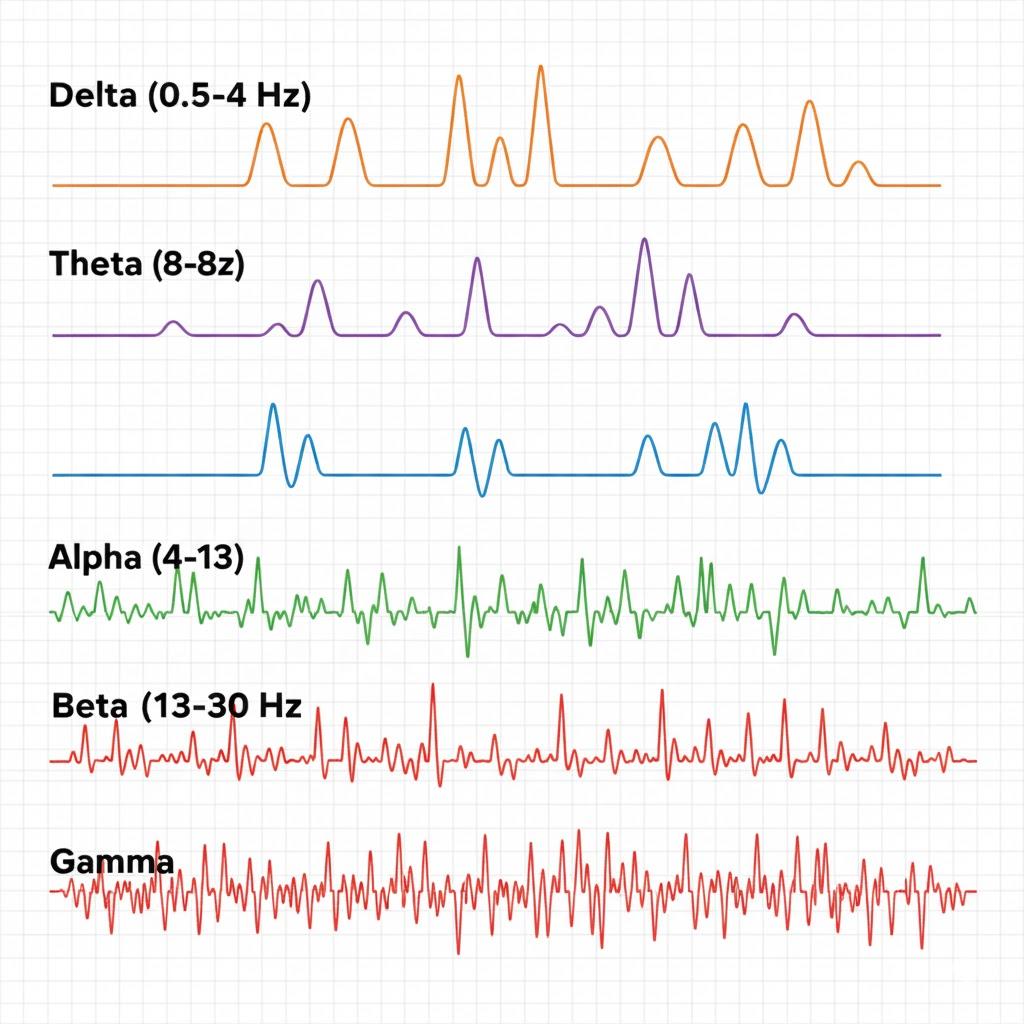
EEG brain wave frequency patterns
Electroencephalography (EEG) recordings show distinct frequency bands associated with different mental states. This representation displays the characteristic patterns of delta, theta, alpha, beta, and gamma waves, each corresponding to specific cognitive functions ranging from deep sleep to heightened attention and cognitive processing.
Effect and Applications Reported
Based on the study, cognitive and mood alterations are measurable and can be reached by the aid of audio entrainment. It was demonstrated that many studies were improved in attention, memory or learning performance after specific beat. Indicatively, in a study it was found that isochronic-tone high-gamma stimulation (30-100 Hz) increased sustained attention scores during a vigilance test significantly after 10 minutes. The anecdotal and small-scale studies show that listeners report higher concentration or creativity when the listener is in beta/gamma stimulation (associated with alertness).
• Concentration and Cognitive Performance: The Controlled trials have revealed that beta/gamma-frequency entrainment, has the ability to sharpen the mind. It is significant that the Jakarta study, in which 10 minutes of isochronic tones with gamma range enhanced the task performance and focus scores of students, significantly.
• Relaxation and Mood: Lower-frequency stimulation has been found to cause relaxation. As an illustration, one-minute acute efforts of isochronic pulses (6, 10 and 40 Hz) acutely reduced anxiety and improved mood in healthy adults. Also, there was a long-term intervention, which showed that daily auditory entrainment also had a significant positive effect on the quality of sleep and reduced stress/anxiety scores in college students.
• Potential therapeutic utility: Previous research has depicted positive outcomes in a broad spectrum of disorders. The systematic review can conclude that entrainment has the capability to modify mood and cognitive processing in CNS disorder: the findings were that it improved the subjects with ADHD, chronic pain, epilepsy, Parkinson disease and anxiety disorders.

Scientific research data and analysis
Comprehensive research studies have provided quantitative evidence for the effectiveness of auditory brainwave entrainment. This data compilation shows statistical analyses from multiple controlled trials, demonstrating measurable changes in cognitive performance, attention levels, and mood states following exposure to specific frequency patterns.
Nevertheless, the non-significant or less pronounced effects are often witnessed in healthy controls. It is worth noting that none of these trials have reported any adverse effects, which is an indication that auditory entrainment is most likely to be safe when used properly. Even though this has positive outcomes, critics caution that a majority of the research is methodologically flawed. A single review of 33 studies determined that merely 17 studies were of superior quality and that the colossal majority of them involved the use of binaural beats and not isochronic tones.
Moreover, not every study indicates any significant findings: in some experiments, no significant findings of the short-term exposure to binaural-beat effects on the reaction times and working memory were found. By so doing, a positive tendency exists albeit with further serious studies capable of supporting the specific effects and the most optimal parameters.

Meditation and sound therapy visualization
Sound therapy applications utilize binaural beats and isochronic tones to facilitate meditative states and promote relaxation. This illustration depicts the practical application of auditory entrainment techniques in therapeutic settings, showing how controlled sound environments can induce desired mental states for stress reduction and wellness.
Isochronic Tones vs. Binaural Beats
Isochronic tones have stronger chances of creating strong entrainments in comparison. One of these reviews' further states that when the same was done under similar conditions with the use of isochronic stimulation, the cortical modulation was approximately 15 percent higher when done with the use of binaural beats. It may be because the onset and the offset pulses of isochronic tones are stronger to the neurons. Recent isochronic beats, e.g. of gamma tonic frequency have been shown to have a major positive effect on attention and cognitive performance.
Binaural beats do, however, alter brainwaves, but perhaps it will require a more precise arrangement (good headphones, regular listening) to be effective. In practice, either of the two can be experimented with: an isochronic version of the same frequency is the common choice when a binaural track does not cause any inconvenience to the user.
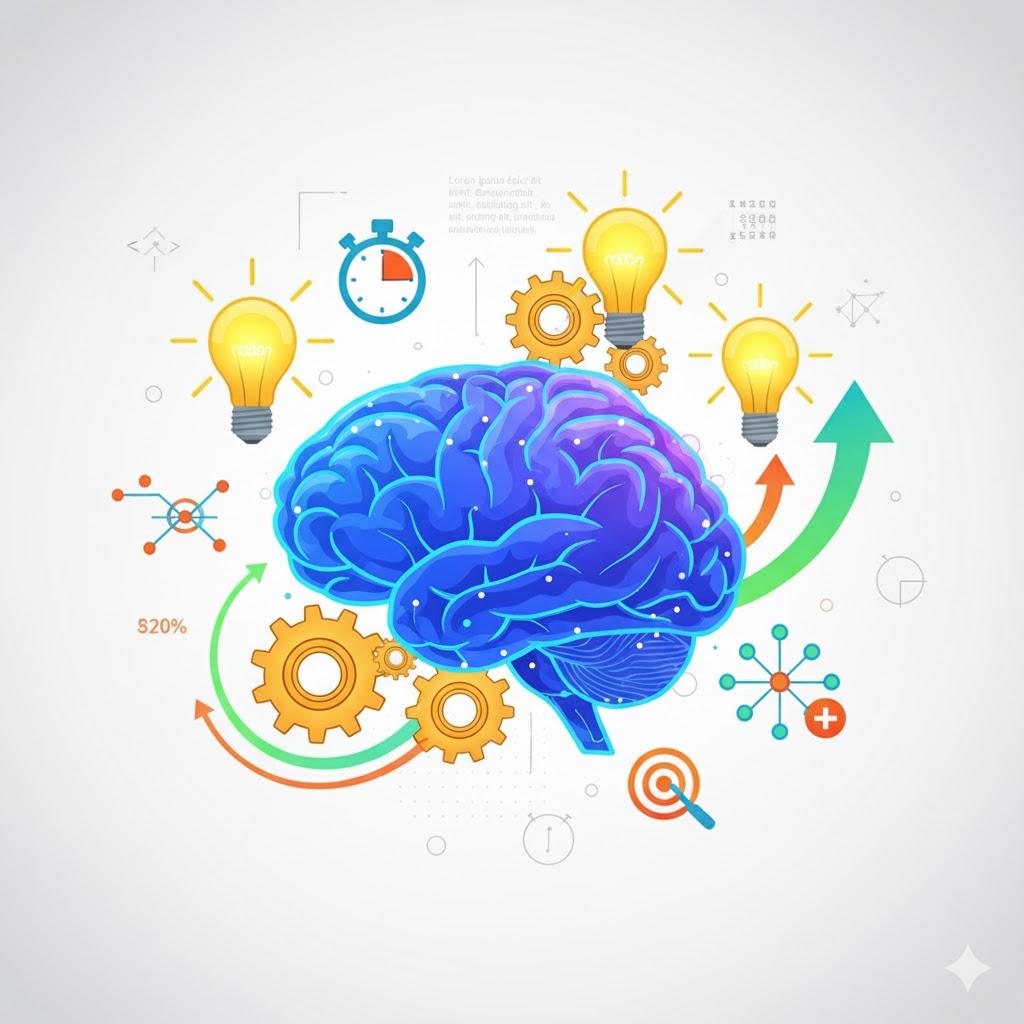
Cognitive performance enhancement visualization
Research demonstrates that specific frequency stimulation can enhance various aspects of cognitive performance. This visual representation shows the mechanisms by which beta and gamma frequency entrainment can improve attention, working memory, and executive function through targeted neural synchronization.
Professional Practice and Self-Assessment
In the attempt to implement such techniques in the absence of the equipment, several challenges are encountered. The generation of the desired frequencies requires proper audio devices or programs and good headphones require proper separation of stereo (to hear binaural beats). Background noises and individual differences (e.g. hearing ability) have the potential to mitigate the entrainment effect. Moreover, the perceived gains are often immeasurable and subjective and the effects are hard to prove unless one uses EEG.
The period of the practice was also difficult because I was unable to maintain the conditions of listening under the same conditions and the effects of the beats were impossible to differentiate compared to the placebo. The issue of time constraints and result confirmation was also present. The subjective observations will be discussed further as they will be applied to the real-life experience.
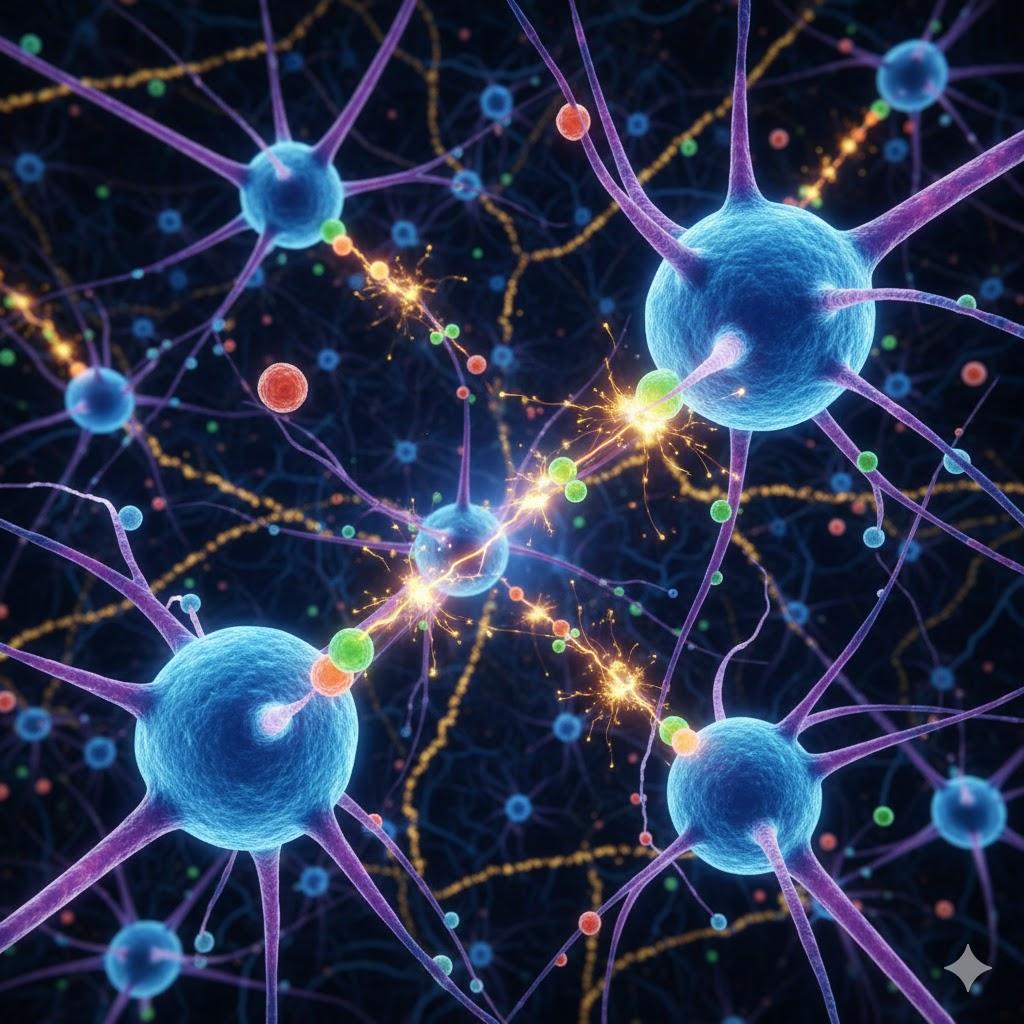
Neural mechanisms and brain activity
The neurological mechanisms underlying brainwave entrainment involve complex interactions between auditory processing centers and cortical oscillations. This diagram illustrates how auditory stimuli are processed through the brainstem and how these signals can influence widespread neural networks to produce measurable changes in brain activity patterns.
Conclusion
In short, binaural beats and isochronic tones provide a neuroscientifically supported way of changing the activity of the brainwaves. Based on scientific research, it has been demonstrated that listening to such audio stimuli actually can alter EEG patterns to the target frequency band and induce the changes in cognition or mood.
The techniques have been reported to have beneficial effects such as improvement in attention, relaxation and some clinical symptoms, are non-invasive and seem to be safe. Nevertheless, the impact might be affected by people differently, and most results are still in their initial stages. One of the important conclusions to be made concerns the fact that brainwave entrainment has a potential, but more serious studies should be carried out to completely justify and maximize its application. One should be ready to speak about the known science of auditory entrainment and respond to detailed questions concerning the manner of working and its reasons.
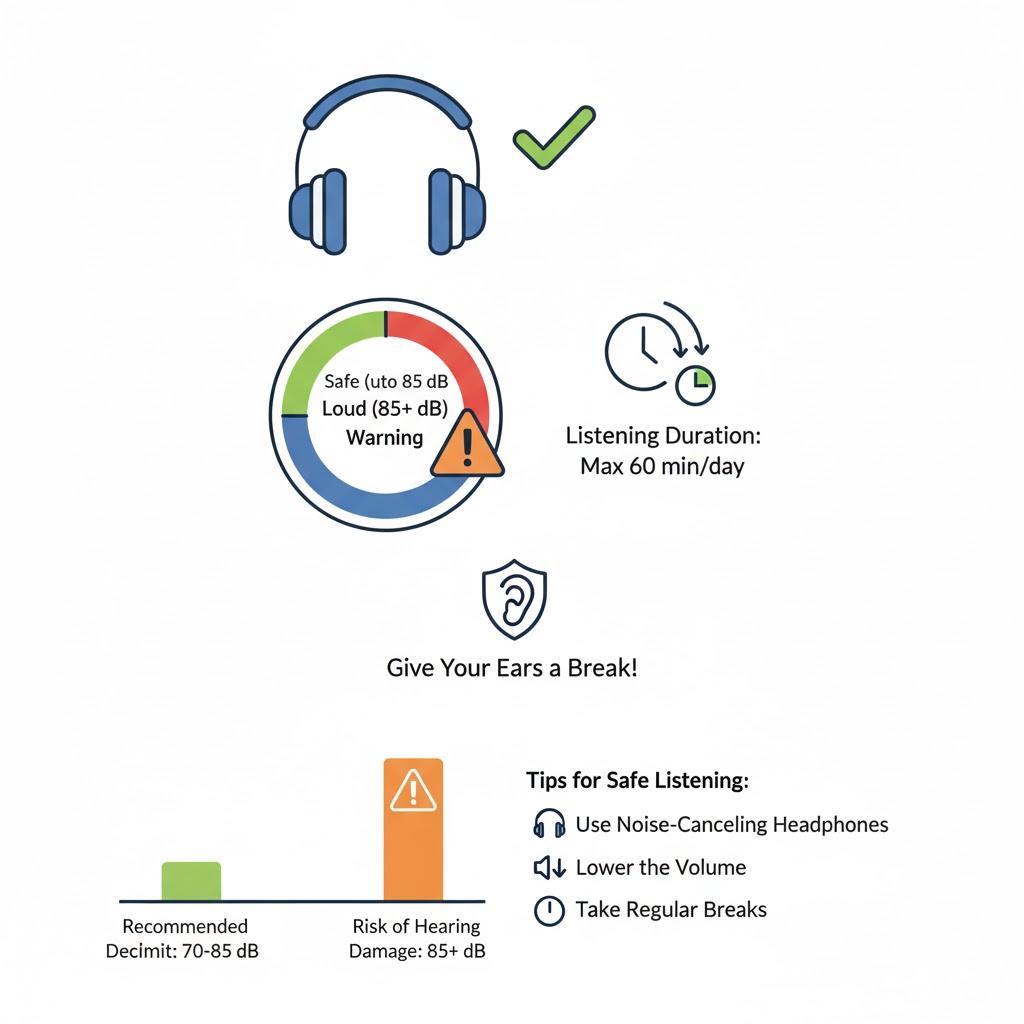
Safe listening practices and recommendations
Proper implementation of auditory entrainment requires adherence to safe listening practices and appropriate volume levels. This guide illustrates recommended procedures for using binaural beats and isochronic tones safely, including optimal duration, frequency selection, and equipment requirements to minimize potential adverse effects.
About the Author
👨🎓
🔬
🎯
📚
References
1
Ingendoh, R. M., Posny, E. S., & Heine, A. (2023)
Binaural beats to entrain the brain? A systematic review of the effects of binaural beat stimulation on brain oscillatory activity, and the implications for psychological research and intervention
PLOS ONE, 18(5), e0286023
2
A parametric investigation of binaural beats for brain wave modulation
Scientific Reports, Nature (2025)
3
Aparecido-Kanzler, S., Cidral-Filho, F., et al. (2021)
Effects of binaural beats and isochronic tones on brain wave modulation: Literature review
Revista Mexicana de Neurociencia, 22(6), 238
4
Moniz-Lewis, D. I.K. & Frederick, C.M. (2020)
Are Isochronic Tones Effective? The Impact of Isochronic Tones on Brainwave Entrainment and Stress
Inquiries Journal, 12(11)
5
Fry, Adam, Braren, S., Pitaro, N., Larson, B., & Putrino, D. (2021)
Music augmented with isochronic auditory beats or vibrotactile stimulation does not affect subsequent ergometer cycling performance: A pilot study
Frontiers in Human Neuroscience, 15, 713193
6
Van den Bosch, A., et al. (2024)
A proposed methodology for EEG-based neurostimulation research
Proceedings of Internoise
7
Huang, T., & Charyton, C. (2008)
A meta-analysis of the EEG brainwave entrainment effects of binaural beats, audio-visual stimulation, and meditation
Psychology of Consciousness
8
Rathi, R., et al. (2024)
Binaural Beats' Effect on Brain Activity and Psychiatric Symptoms: A Clinical Study
Open Public Health Journal, 17, e18749445332258
9
Sweeney, J., & Smith, K. (2024)
Analyzing the Impact of Binaural Beats on Anxiety Levels in Patients with Depression
10
The Effect of Using Isochronic Tones in Improving Learning Concentration: Experimental Study on Students of State Senior High School in Jakarta
Cognizance Journal (2025)
11
High-Frequency Binaural Beats Increase Cognitive Flexibility
Frontiers in Psychology (2016)
12
Colzato, L. S., et al. (2017)
Brain responses to 40-Hz binaural beat and effects on cognition and mood
Neuroscience Letters, 662, 64–69
13
Reverse effect of home-use binaural beats brain stimulation
Scientific Reports, Nature (2023)
14
Effects of daily listening to 6 Hz binaural beats over one month on mood and EEG
Scientific Reports, Nature (2024)
15
Effects of binaural beat therapy with different frequencies on relaxation and performance
PMC (2025)
16
Lane, J. D., Kasian, S. J., Owens, J. E., & Marsh, G. R. (1998)
Binaural auditory beats affect vigilance performance and mood
Physiology & Behaviour, 63(2), 249–252
17
Huang, T. L., & Charyton, C. (2008)
A comprehensive review of the psychological effects of brainwave entrainment
Alternative Therapies in Health and Medicine, 14(5), 38–50
18
Wahbeh, H., Calabrese, C., & Zwickey, H. (2007)
Binaural beat technology in humans: A pilot study to assess psychologic and physiologic effects
Journal of Alternative and Complementary Medicine, 13(1), 25–32
19
Wahbeh, H., Calabrese, C., Zwickey, H., & Zajdel, D. (2007)
Binaural beat technology in humans: A pilot study to assess neuropsychologic, physiologic and electroencephalographic effects
Journal of Alternative and Complementary Medicine, 13(2), 199–206
20
Reedijk, S. A., Bolders, A., & Hommel, B. (2013)
The impact of binaural beats on creativity
Frontiers in Human Neuroscience, 7, 786
21
López-Caballero, F., & Escera, C. (2017)
Binaural beat: A failure to enhance EEG power and emotional arousal
Frontiers in Human Neuroscience, 11, 557
22
Mofredj, A., Alaya, S., Tassaioust, K., Bahloul, H., & Mrabet, A. (2016)
The effect of music with and without binaural beat audio on operative anxiety in patients undergoing cataract surgery: A randomized controlled trial
Eye (London), 30(11), 1407–1414
23
Gantt, M. A., Dadds, S., Burns, D. S., Glaser, D., & Moore, A. D. (2017)
The effect of binaural beat technology on the cardiovascular stress response in military service members with postdeployment stress
Journal of Nursing Scholarship, 49(4), 411–420
24
Jo, H.-N., Kweon, Y.-S., Shin, G.-H., Kwak, H.-G., & Lee, S.-W. (2023)
Relationship between mood, sleepiness, and EEG functional connectivity by 40 Hz monaural beats
arXiv preprint arXiv:2311.07962
25
Phogat, R., & Parmananda, P. (2018)
Provoking predetermined aperiodic patterns in human brainwaves
arXiv preprint arXiv:1809.01851